Diabetes and Your Kidneys: How to Protect Them for Life
Dr. Sukhvir Kaur Gill • May 15, 2026 • Diet & Nutrition
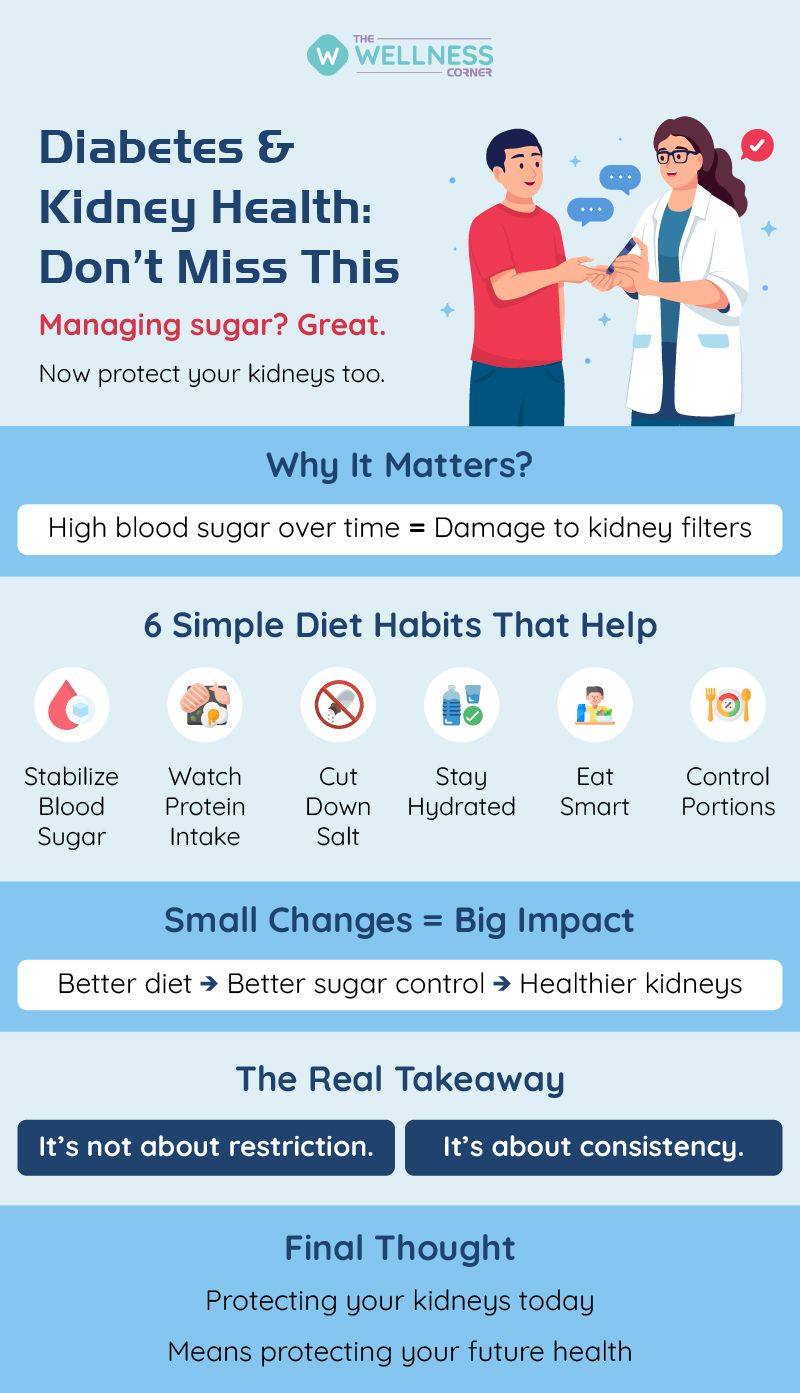
If you live with diabetes, your kidneys deserve special attention. High blood sugar over many years can quietly damage the tiny filters inside the kidneys, a condition called diabetic kidney disease. It is the single most common reason people progress to dialysis in India — but it is also one of the most preventable.
The earlier you act, the more kidney function you can protect. Here are the most important steps, explained simply.
Why diabetes harms the kidneys
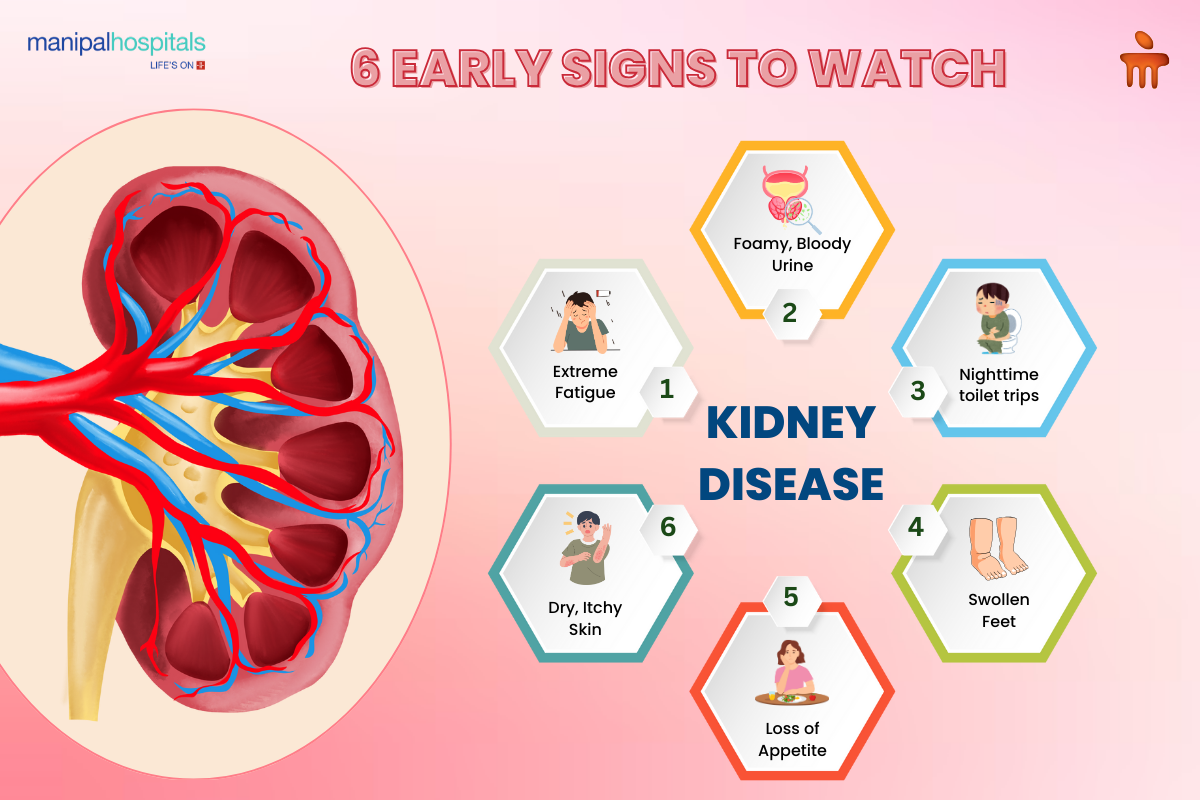
Each kidney contains around a million microscopic filtering units. Persistently high blood sugar thickens and scars the blood vessels in these filters, so they slowly leak protein and remove waste less efficiently. This damage usually causes no symptoms at first — which is exactly why regular screening matters.
Keep your blood sugar in target range
Good long-term sugar control is the foundation of kidney protection. Work with your doctor to keep your HbA1c at your personalised target, take medications as prescribed, and monitor your levels regularly. Small, consistent improvements add up to a big difference over the years.
Control your blood pressure
Blood pressure and kidney health are tightly linked, especially in diabetes. Keeping your blood pressure well controlled — often below 130/80 — significantly slows kidney damage. Certain blood pressure medicines also have a direct protective effect on the kidneys, so the right choice matters.
Eat kidney-friendly, diabetes-friendly food
Favour whole grains, vegetables and lean protein, and go easy on salt, processed foods and sugary drinks. Reducing salt helps both blood pressure and fluid balance. If your kidney function is already reduced, your doctor may advise specific adjustments to protein and potassium — so personalised guidance is important rather than generic diet rules.
Get screened every year
Everyone with diabetes should have a simple yearly check: a urine test for protein (albumin) and a blood test for kidney function (creatinine and eGFR). These pick up damage long before symptoms appear, when treatment works best. If you have never had these done, ask for them at your next visit.
The takeaway
Diabetic kidney disease is common, but it is far from inevitable. With steady blood sugar, controlled blood pressure, sensible eating and regular screening, most people can protect their kidney function for decades. If you have diabetes and haven't had your kidneys checked recently, a consultation is a simple, powerful step.
Have questions about your kidney health?
Book a consultation with Dr. Sukhvir Kaur Gill for clear, expert guidance.
Book a Consultation